Gutter Drainage Solutions in Garden District
Gutter Drainage Solutions for Garden District homes - local conditions, a clear process, and one call to get it started.
Near the live-oak streets around Magnolia Cemetery and the City Park lakes - 70806
Read this page as the local supplement to the citywide Gutter Drainage Solutions overview: everything general is there, everything specific to Garden District is here.
August 2016 taught the whole region to read drainage from the ground up, and Garden District homes carry the lesson in their yards: raised plantings, regraded beds, French drains of varying quality. Gutter drainage work is the piece of that education attached to the roof - the roof's water is the largest single flow most lots are ever asked to move.
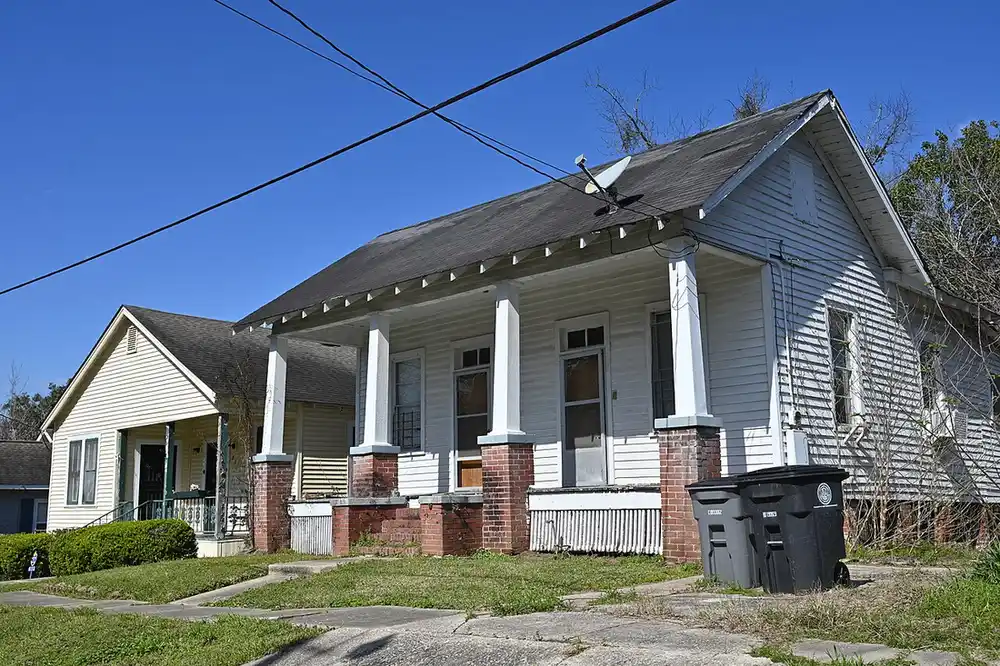
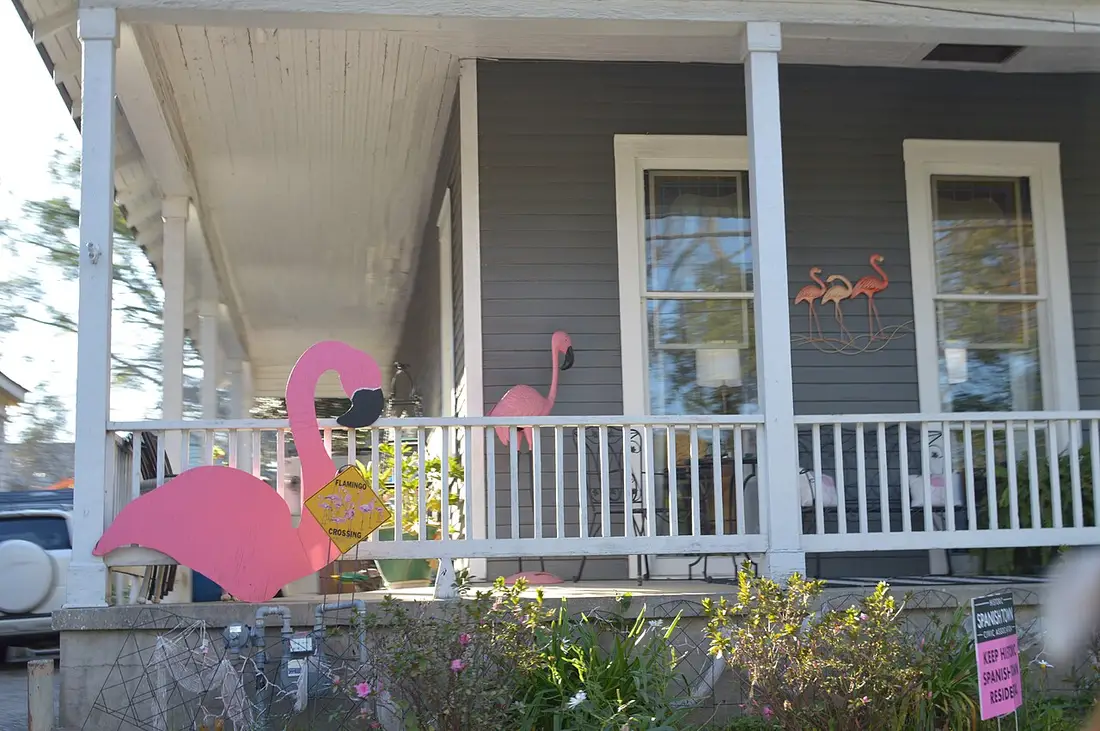
The Garden District is Baton Rouge's storied historic neighborhood, a canopy of live oaks over early-1900s homes between downtown and the City Park lakes. Azaleas and camellias fill its gardens in spring, Magnolia Cemetery anchors its north side, and its shaded streets are the postcard version of old Baton Rouge.
Ask a gutter crew what changes from one Baton Rouge neighborhood to the next and they will start with the trees - {area} is a good example. Early-1900s bungalows, colonials and larger period homes under a mature oak canopy, many two stories with tall rooflines - and that shapes the gutter work directly. The canopy is the gutter pressure: live oaks drop their leaves in spring rather than fall, magnolias shed heavy leathery leaves and cones all year, and Spanish moss shade keeps runs damp. For gutter drainage solutions in Garden District, the water is followed to its destination on the lot, not just off the roof.
The drive into Garden District tells the gutter crew half the story before the ladder comes off the truck: the era of the rooflines, the depth of the canopy, the state of the drainage. By the time the gutter drainage solutions reading starts near the live-oak streets around Magnolia Cemetery and the City Park lakes, the questions are already specific - and specific questions are what separate a scope from a guess.
Signs Garden District Homes Need Gutter Drainage Solutions
Erosion trenches and mulch washed from beds below the eaves
Moving water carves; the trench under a downspout is the yard grading the drainage design it was given.
Yard areas that stay marshy long after neighbors' dry
Persistent marsh on flat ground is a discharge geography problem - too much roof water arriving at too few, too flat exits.
Downspouts ending at splash blocks on flat ground
On a sloped lot a splash block is a landing; on a flat one it is a puddle with a concrete center - the water leaves the block and stops.
Why This Work Runs in Garden District
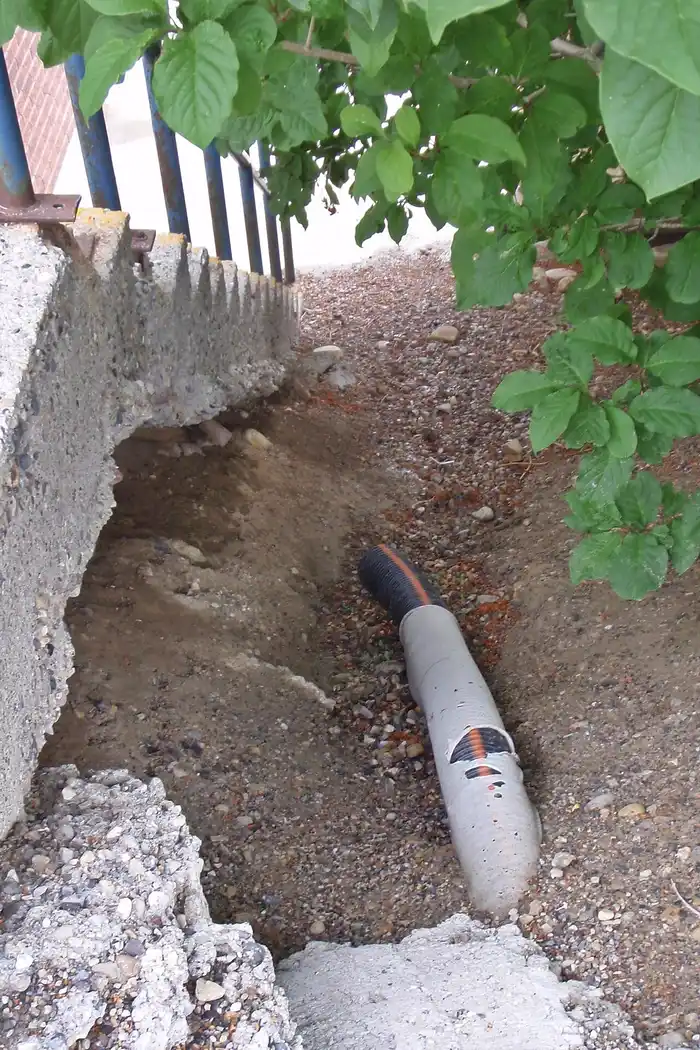
Clay sets the local rules. Gumbo absorbs slowly, swells when wet and seals its own surface, so infiltration-based answers - dry wells, soakage pits - underperform here unless generously sized. Moving water across or under the lot to a genuine exit outperforms asking the lot to drink it, which is why buried lines to emitters and swales are the region's standard design.
The canopy is the gutter pressure: live oaks drop their leaves in spring rather than fall, magnolias shed heavy leathery leaves and cones all year, and Spanish moss shade keeps runs damp. The district's tall two-story rooflines make ground-level cleaning guesswork, and original-era fascia is the first casualty of chronic overflow.
In Garden District, that plays out street by street - and the exit is chosen for the ground the lot actually has - clay, slope and season. Field note: Garden District teaches the same lesson every season - the system that was read in spring is a rumor by fall. The canopy rewrites it that fast, and the calendar exists because of it.
By mid-spring the capital region's gutters have already done a season of work: oak leaves exchanged, catkins down, the first thunderstorm cells grading every outlet. The homes that scheduled their reading early in spring chose their repair weather; the homes that waited meet the same list in June, between storms.
Two things decide how much a visit accomplishes: access and honesty. Access means the crew can reach both eaves, the outlets and the discharge points. Honesty means the full history - the overflow that only shows in deluges, the corner resealed twice, the cleaning skipped for two years. With both, the first visit usually settles the diagnosis for good.
The wettest weeks in Garden District argue for readings, not work: a system watched in real rain confesses things no dry inspection can subpoena.
Before the crew arrives in Garden District, walk the ground below the eaves once: note the washout lines, the splash trenches, the beds that hold water. That ground-level diary is the first thing a good reading consults.
How Gutter Drainage Solutions Works in Garden District
The full step-by-step process for this service - the reading, the scope, the work itself and follow-up - is laid out on the main Gutter Drainage Solutions page. In Garden District the same sequence runs with the local map in hand: the canopy and drainage around the live-oak streets around Magnolia Cemetery and the City Park lakes, the housing pattern described above, and the rain exposure this neighborhood actually carries.
The Garden District Angle
Every Garden District job opens with a walk-around, because the neighborhood's mix - Early-1900s bungalows, colonials and larger period homes under a mature oak canopy, many two stories with tall rooflines. - makes assumptions expensive. Crews keep a separate mental map for Garden District: which streets flood their gutters with magnolia litter, which with needles, which with plain oak leaves in their season.
Pitch is the silent partner in every Gutter Drainage Solutions decision here: the canopy is the gutter pressure: live oaks drop their leaves in spring rather than fall, magnolias shed heavy leathery leaves and cones all year, and spanish moss shade keeps runs damp.. Steep fields deliver water faster than shallow ones, and the sizing conversation starts from that speed. So the Garden District page is not a copy of the citywide one with the name swapped; the variables that decide the work genuinely are different here.
Garden District does not sit alone on the map. It weathers the same storms as Spanish Town, Mid City and Southdowns - the same cells cross the metro, the same trees shed into the same systems, and the same seasons move through all of them within the same few weeks. Storms do not grade neighborhoods equally either: a cell that parks over Garden District writes a different report card than the one that crosses the river, and the systems here are read with that in mind.
On the route map, Garden District sits in the baton rouge historic neighborhood group, ZIP 70806 - close enough to Spanish Town, Mid City that crews work them on the same runs. The Baton Rouge Gutter Drainage Solutions overview covers the method end to end; this page covered Garden District's variables. Both end at the same place: a system read properly, then scoped honestly.
What Garden District homeowners most often say after a first gutter drainage solutions visit is that nobody had ever shown them their own gutters before - the photographs, the outlet map, the drip lines around the live-oak streets around Magnolia Cemetery and the City Park lakes. That showing is not a courtesy; it is the mechanism by which the scope becomes something the owner can actually judge, compare and file.
Prevention That Helps in Garden District
- Keep emitter caps and exit points clear of grass, mulch and soil creep - the exit is the system's throat.
- After any regrading, planting or patio work, re-walk the exits - yard projects bury more drainage than storms break.
- Keep the drainage map with the house papers, cleanouts marked; the next owner and the next crew both need it.
Early-1900s bungalows, colonials and larger period homes under a mature oak canopy, many two stories with tall rooflines.
Keep Exploring
Gutter Drainage Solutions nearby:
- Gutter Drainage Solutions in Spanish Town
- Gutter Drainage Solutions in Mid City
- Gutter Drainage Solutions in Southdowns
- Gutter Drainage Solutions in LSU & University Lakes
More services in Garden District:
- Gutter Replacement in Garden District
- Gutter Installation in Garden District
- Gutter Guards & Leaf Protection in Garden District
- Gutter Repair in Garden District
See the full gutter page for Garden District and the Gutter Drainage Solutions overview for Baton Rouge.
Gutter Drainage Solutions in Garden District - Questions
How far from the house should gutter water be released in Garden District?
At the first point where the ground genuinely takes it away - a slope, a swale, a drainage easement - rather than at a fixed distance. On the flattest lots that point is reached by pipe, not by splash block. The measure is the foundation line staying dry through a storm, not a number of feet.
What is a pop-up emitter, and does my Garden District lot need one?
A pop-up emitter is the hinged cap at the end of a buried drain line: water pressure lifts it to discharge at a low point of the yard, and it closes afterward against debris and pests. Flat lots whose downspouts cannot reach a slope or swale on the surface are exactly its case. Whether your lot needs buried lines at all is a geography question the visit answers from your ground.
Who carries out Gutter Drainage Solutions in Garden District?
An independent gutter professional serving Garden District, reached through the number on this page. The professional reads the system, sets the scope and does the work; this site is the directory that makes the connection, and it publishes the local reading that helps you judge the scope you are offered.
Gutter Drainage Solutions in Garden District - one call starts the reading.
One call connects you with a gutter professional serving Baton Rouge and the surrounding capital-region communities - installation, repair, cleaning, guards and drainage.
📞 Call Now