Gutter Drainage Solutions in Baton Rouge, LA
Gutter drainage solutions in Baton Rouge - the ground half of the system: downspout extensions, buried drain lines, pop-up emitters and discharge design for flat clay lots.
One call connects you with a gutter professional serving Baton Rouge
Gutter Drainage Solutions in Baton Rouge: The Full Picture
August 2016 taught the whole region to read drainage from the ground up, and {area} homes carry the lesson in their yards: raised plantings, regraded beds, French drains of varying quality. Gutter drainage work is the piece of that education attached to the roof - the roof's water is the largest single flow most lots are ever asked to move.
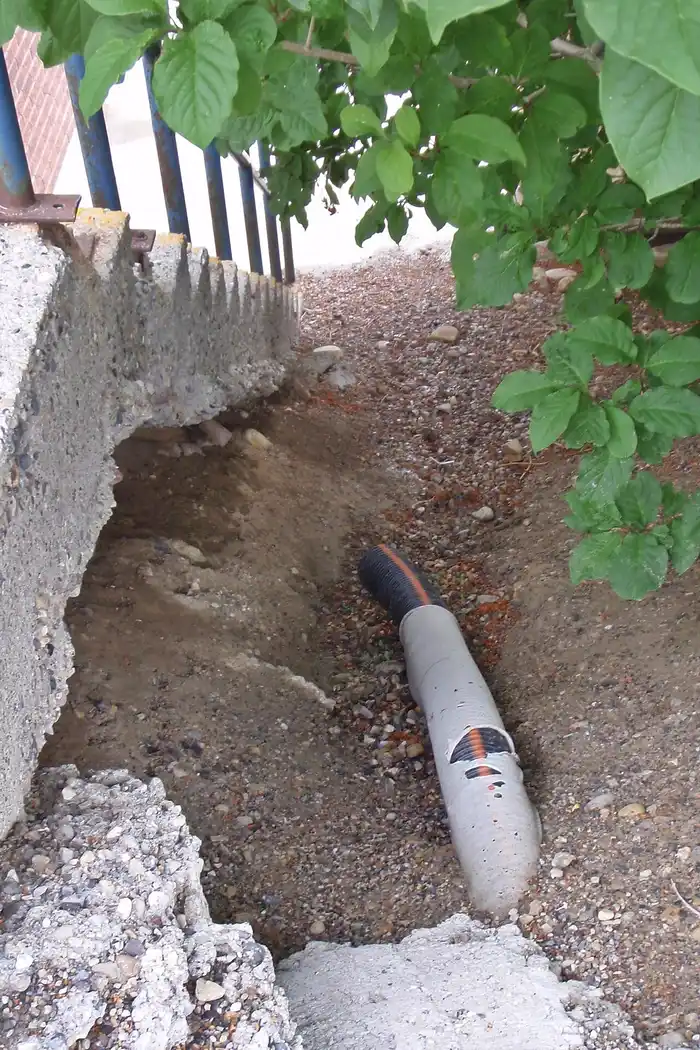
The drainage conversation in {area} starts where the downspout ends. Follow the water: off the roof, down the drop, and then - where? On lots with slope, gravity finishes the job. On the capital region's level ground, the answer has to be built: extensions, buried lines, emitters placed at real low points, exits at swales and easements.
Drainage is the half of the gutter system that lives underground and gets forgotten, and in {area} it decides whether the visible half matters. A perfect gutter that hands its water to a downspout ending at the wall has moved the problem from the roof to the foundation - on flat gumbo clay, arguably the worse address.
The debris story is just as local. The canopy here is live oak and magnolia over much of the city, pine across the eastern parishes: live oaks that trade their leaves in spring instead of fall, magnolias that shed heavy leathery leaves and cones in every month, pines that rain needles year-round. Add Spanish moss holding shade and damp against the eaves, and a Baton Rouge gutter is never just a water channel - it is a debris channel that also carries water, filling on a schedule set by the trees, not by the homeowner.
Every drainage design is a negotiation with a specific piece of ground. The lot's true low points, its soil's willingness to absorb, the easements and street systems at its edges - these are fixed facts, and the design that respects them works for decades, while the design that ignores them fails picturesquely in the first wet season. Reading the lot is therefore not a preliminary to the work; in drainage, reading the lot is the work.
Signs Your System Is Calling for Gutter Drainage Solutions
Water ponding against the foundation after every rain
The pond is the report: discharge is ending where the ground cannot take it, and on clay it will still be there tomorrow.
Erosion trenches and mulch washed from beds below the eaves
Moving water carves; the trench under a downspout is the yard grading the drainage design it was given.
Downspouts ending at splash blocks on flat ground
On a sloped lot a splash block is a landing; on a flat one it is a puddle with a concrete center - the water leaves the block and stops.
A buried line that backs up or erupts at its joints
Buried lines fail by silt, root intrusion and blind ends; a line that erupts is announcing it has nowhere to send what it carries.
Wet crawlspace or slab-edge damp after storms
When the ground half fails, the house's lowest materials report it - damp at the slab edge, mustiness at the wall base.
Yard areas that stay marshy long after neighbors' dry
Persistent marsh on flat ground is a discharge geography problem - too much roof water arriving at too few, too flat exits.
The physics are plain: a roof is a catchment measured in thousands of gallons in a single storm, and all of it is delivered to a handful of points at the foundation line. Drainage design is the discipline of giving those points exits - spreading, piping or grading the water to somewhere the lot can absorb or the street system can take. Everything else is decoration on that decision.
Clay sets the local rules. Gumbo absorbs slowly, swells when wet and seals its own surface, so infiltration-based answers - dry wells, soakage pits - underperform here unless generously sized. Moving water across or under the lot to a genuine exit outperforms asking the lot to drink it, which is why buried lines to emitters and swales are the region's standard design.
The long view matters here too. Discharge choices compound: soil moved by erosion, beds replanted around exits, cleanouts kept or lost to landscaping. A drainage system handed over with its map - lines, cleanouts, exits, all drawn - stays maintainable for the life of the house. One handed over as a mystery becomes archaeology at the first backup, priced accordingly.
The 2016 flood added the region's hardest drainage lesson: in the worst events, every lot's drainage is overwhelmed, and no yard system changes that. What good gutter drainage decides is the other hundred rains of the year - the weekly storms whose water either leaves the foundation's neighborhood or moves in with it.
The ground finishes the argument. Most of the metro sits on gumbo clay or low bottomland soil over a high water table - ground that absorbs slowly once it is wet, on terrain too flat to hurry water away. The region's humidity keeps whatever gets damp - fascia, soffit, framing - damp for a long time. A gutter system in Baton Rouge is therefore three jobs in one: catch the roof's water, carry it without spilling, and deliver it far enough from the house that clay, flat ground and humidity cannot hand it back to the foundation.
How Gutter Drainage Solutions Is Done
Follow the water on your actual lot
Every downspout's exit is traced and the lot read for its real low points, swales, easements and street drainage - the design starts from the ground you have.
Design the exits
Extensions, buried lines and emitters are assigned per downspout, sized for the roof area reporting to each, with cleanouts where lines turn.
Build and grade
Lines are buried with fall, emitters set at true low points, surface discharge graded away from the foundation where the lot allows.
Prove it with water
The system is flow-tested end to end - roof water in at the top, arrival at the exit watched - before the job is called done.
A drainage system's enemies are silt, landscaping and forgetting - in that order. Prevention is the light discipline of keeping exits visible, flows watched and the map findable.
Prevention and Upkeep
Keep emitter caps and exit points clear of grass, mulch and soil creep - the exit is the system's throat.
Keep emitter caps and exit points clear of grass, mulch and soil creep - the exit is the system's throat.
Have buried lines checked when flows slow; silt builds silently for seasons before it announces itself.
Have buried lines checked when flows slow; silt builds silently for seasons before it announces itself.
After any regrading, planting or patio work, re-walk the exits - yard projects bury more drainage than storms break.
After any regrading, planting or patio work, re-walk the exits - yard projects bury more drainage than storms break.
Keep the drainage map with the house papers, cleanouts marked; the next owner and the next crew both need it.
Keep the drainage map with the house papers, cleanouts marked; the next owner and the next crew both need it.
Watch the foundation line during the biggest rain of each season; that storm is the audit.
Watch the foundation line during the biggest rain of each season; that storm is the audit.
Do not tie new discharge into a line whose exit you have not seen pour - inherited drainage must be proven, not assumed.
Do not tie new discharge into a line whose exit you have not seen pour - inherited drainage must be proven, not assumed.
The DIY Line and the Professional Line
DIY limits
Extending a downspout four feet along a flat wall and calling the foundation protected - the water stops four feet further into the same puddle
DIY limits
Grading soil up against the siding to 'slope' the bed - the water is fixed, the wall is now in the ground's splash zone
What a professional does
Every exit traced and proven on your lot's real geography before any design is proposed
What a professional does
Lines built with fall, cleanouts and true exits - and flow-tested end to end on the day
Choosing drainage help, ask to walk the exits: the provider who traces each downspout's water to its real destination on your lot - and shows you where it ponds, silts or stops - is designing from evidence. The scope should name every exit, every cleanout and the fall on every line, and the job should end with a flow test and a map in your hands.
Spring in Baton Rouge opens with the live oaks trading leaves and closes with thunderstorms. The oak leaf exchange and catkin drop load gutters first; pollen coats everything; then the magnolias start their year-round shed and the afternoon storm season begins testing every outlet. A gutter system cleaned and checked in spring meets the summer deluge season empty - the single most valuable appointment on the capital region's gutter calendar.
Where Gutter Drainage Solutions Is Needed Most
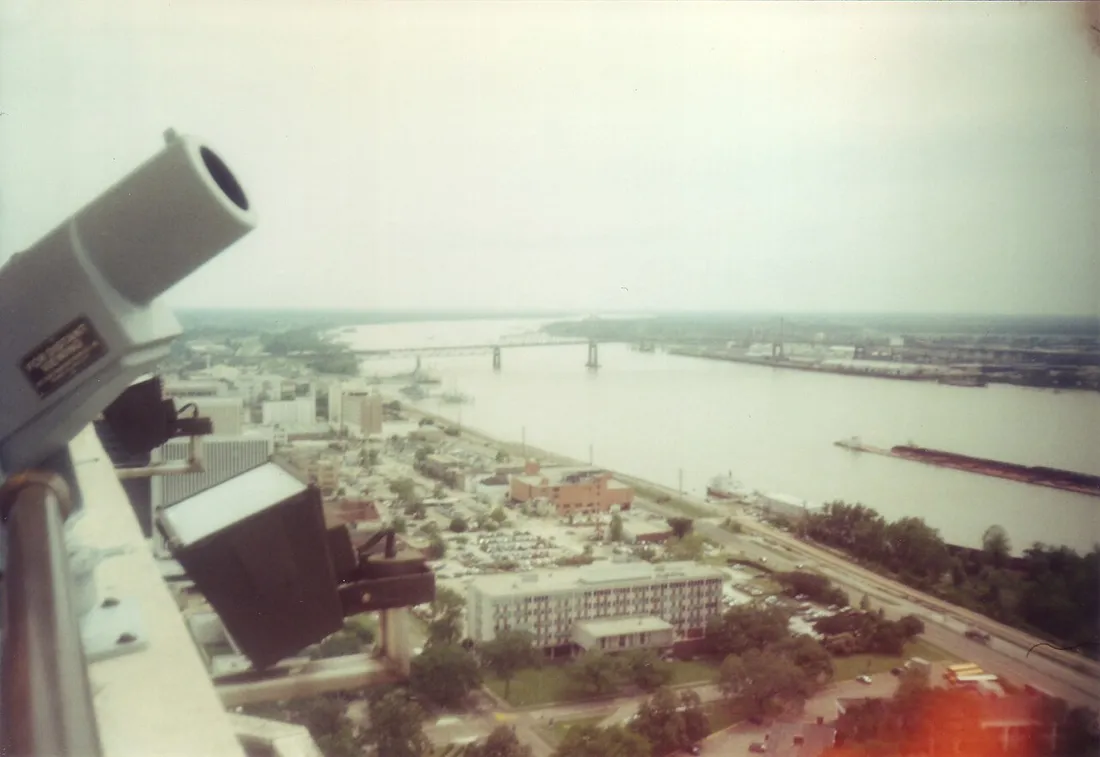
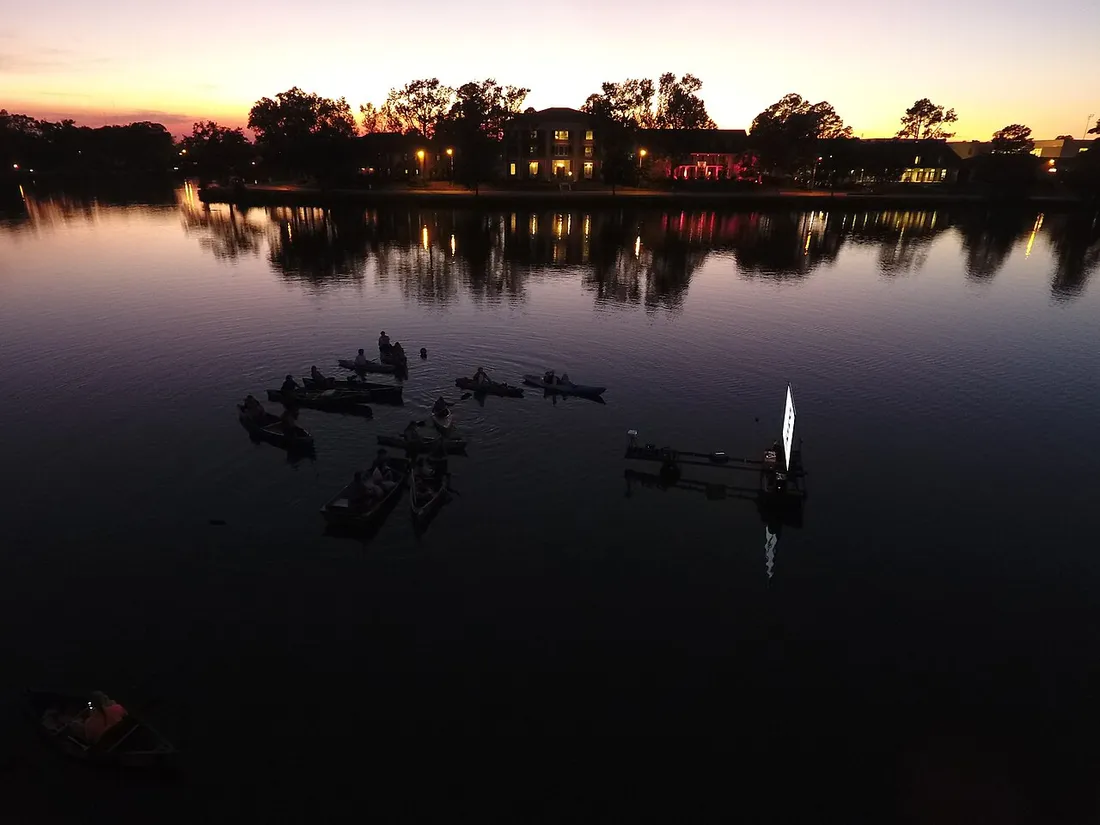
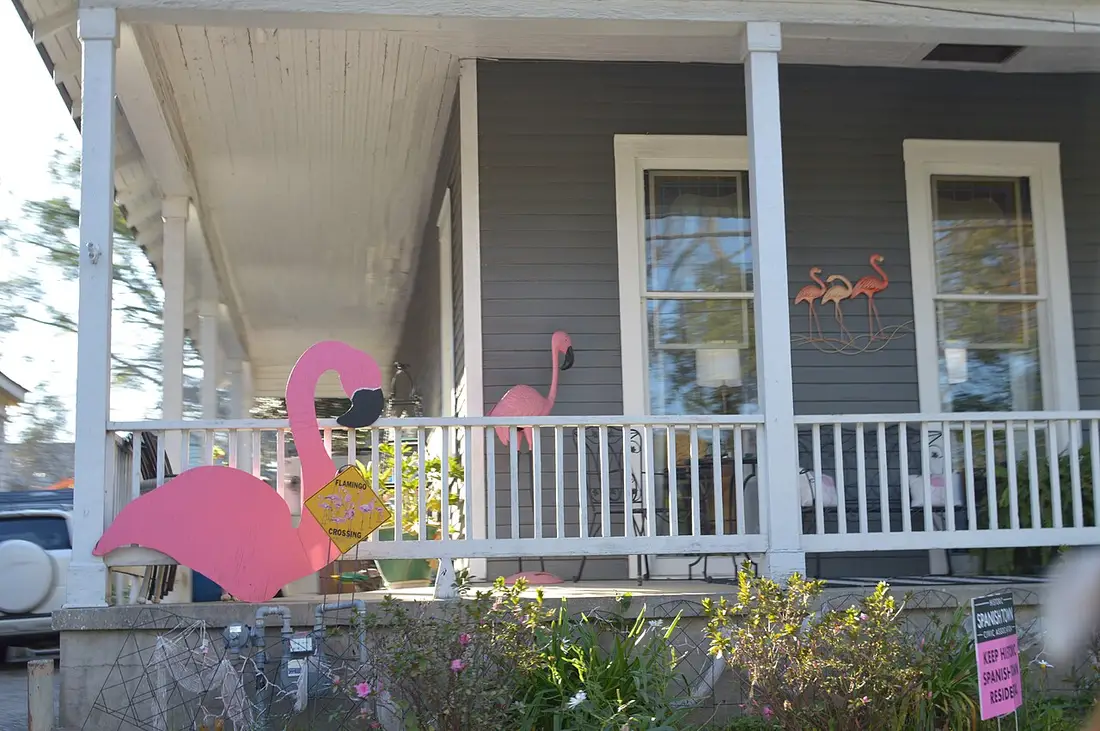
The demand concentrates where the canopy is heaviest and the housing stock oldest: the live-oak streets of the Garden District, Spanish Town and Beauregard Town, the magnolia-shaded blocks of Southdowns and Goodwood, and the two-story rooflines of Sherwood Forest and Shenandoah where access alone rules out ladders from the ground. Scotlandville's bluff-side lots and the Spanish moss along University Lakes add their own local load.
The ring communities carry the same weather over newer stock: Central and Zachary's growth, Old Jefferson and Inniswold's mature subdivisions, and the August-2016 flood country of Greenwell Springs and Denham Springs, where single-story ranch homes put every run within reach of one hard afternoon's debris. The West Bank - Port Allen, Brusly, Addis - reads the river's humidity first.
And the far edge - St. Gabriel, Plaquemine, Walker, Prairieville, Gonzales - brings the rural version of the same story: long eaves, big trees, pole barns and carports, and clay lots where discharged water has nowhere obvious to go. One climate, ten services, twenty-nine neighborhoods of variations on it.
Gutter Drainage Solutions in the City Neighborhoods
 Gutter Drainage Solutions in Downtown Baton Rouge
 Gutter Drainage Solutions in Spanish Town
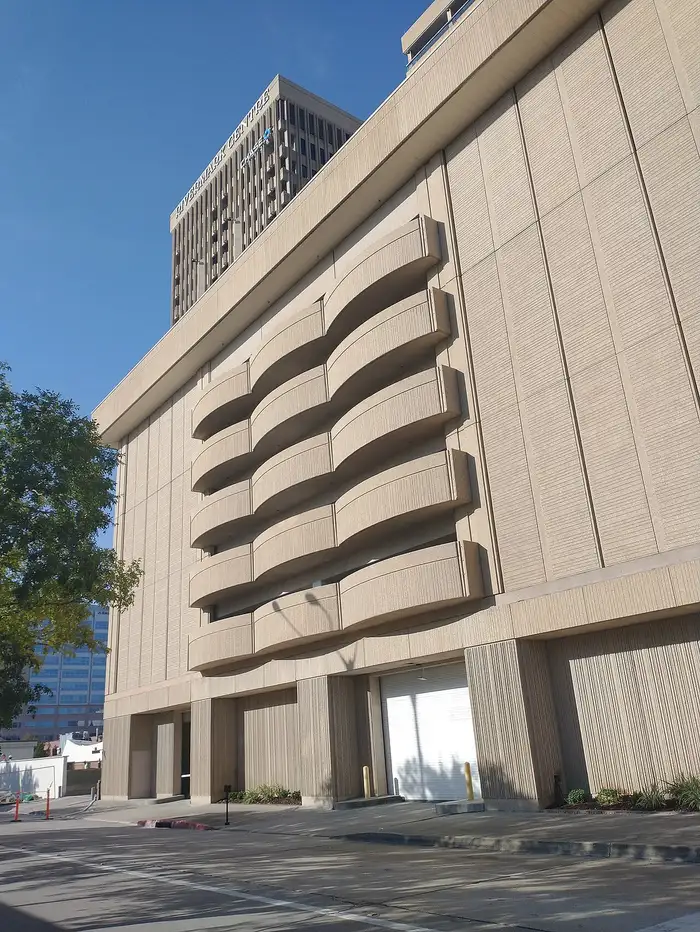 Gutter Drainage Solutions in Beauregard Town
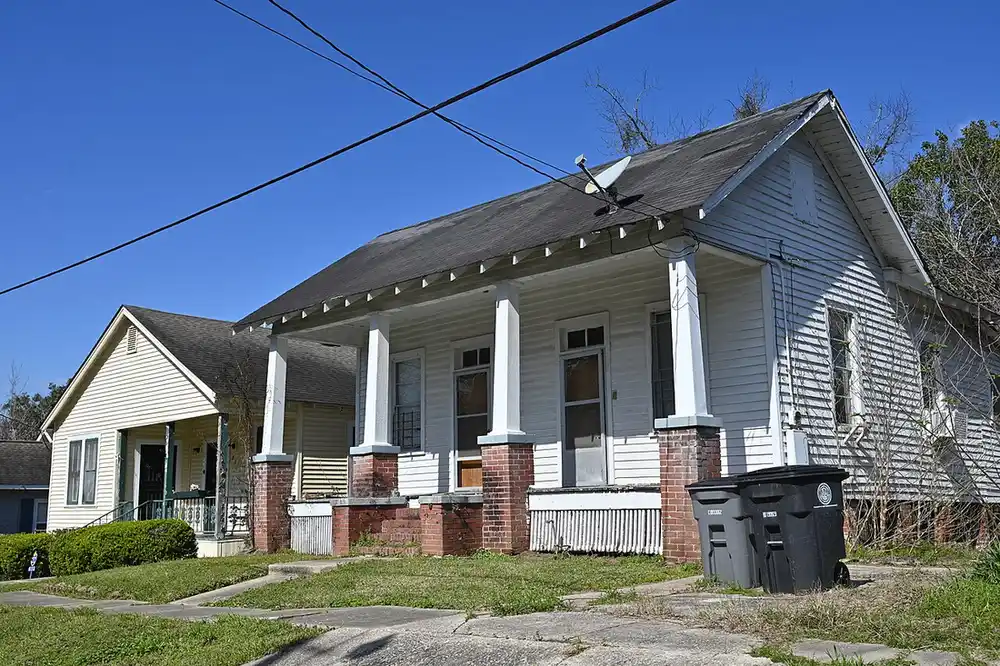 Gutter Drainage Solutions in Garden District
 Gutter Drainage Solutions in Mid City
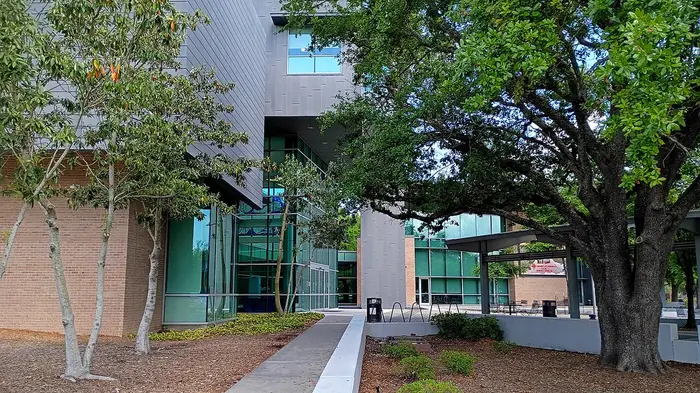 Gutter Drainage Solutions in Goodwood
 Gutter Drainage Solutions in LSU & University Lakes
 Gutter Drainage Solutions in Southdowns
 Gutter Drainage Solutions in Scotlandville
 Gutter Drainage Solutions in Merrydale
Gutter Drainage Solutions in the Surrounding Communities
 Gutter Drainage Solutions in Kenilworth
 Gutter Drainage Solutions in Broadmoor
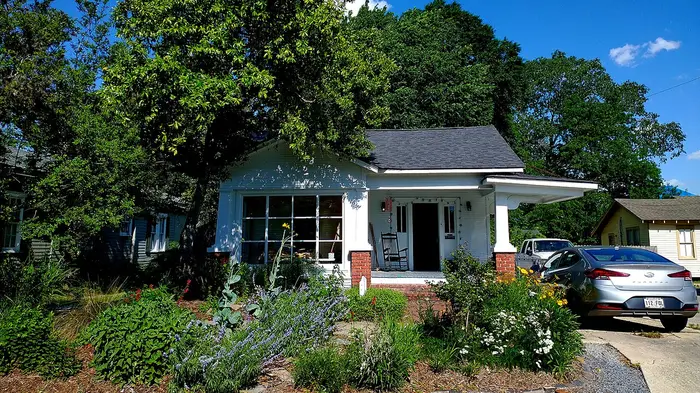 Gutter Drainage Solutions in Sherwood Forest
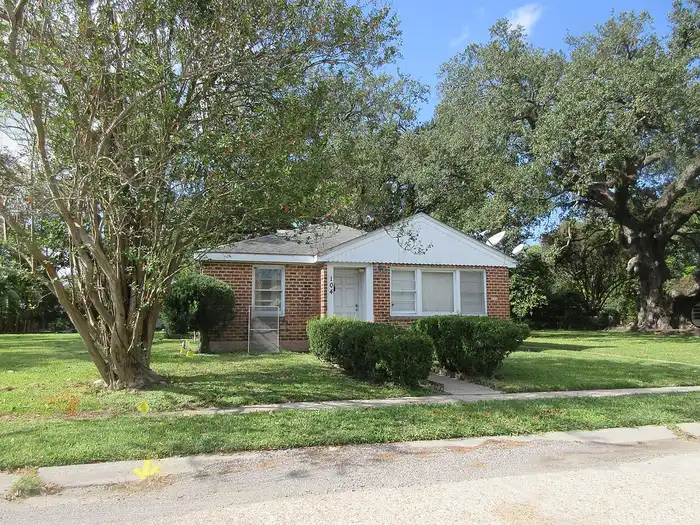 Gutter Drainage Solutions in Shenandoah
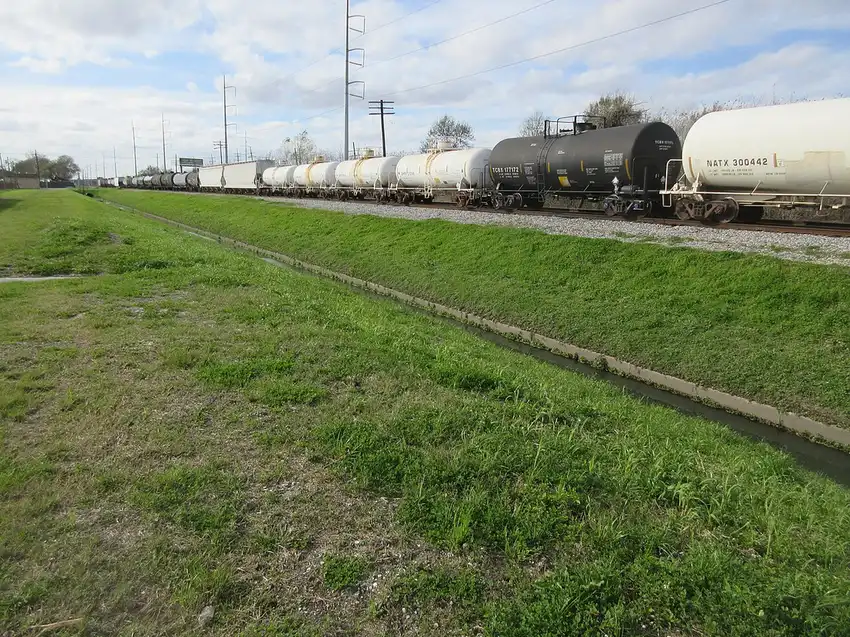 Gutter Drainage Solutions in Old Jefferson
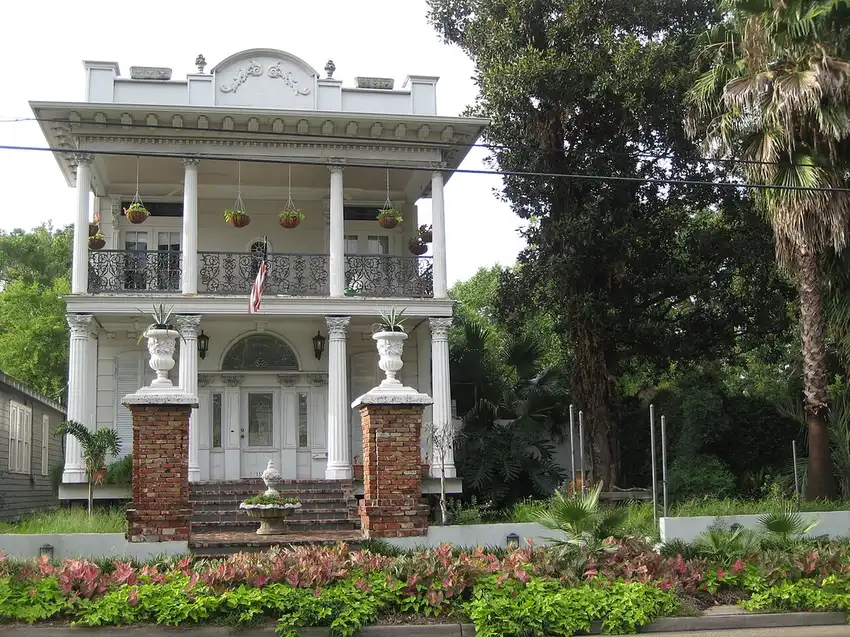 Gutter Drainage Solutions in Inniswold & Jefferson Terrace
 Gutter Drainage Solutions in Central
 Gutter Drainage Solutions in Zachary
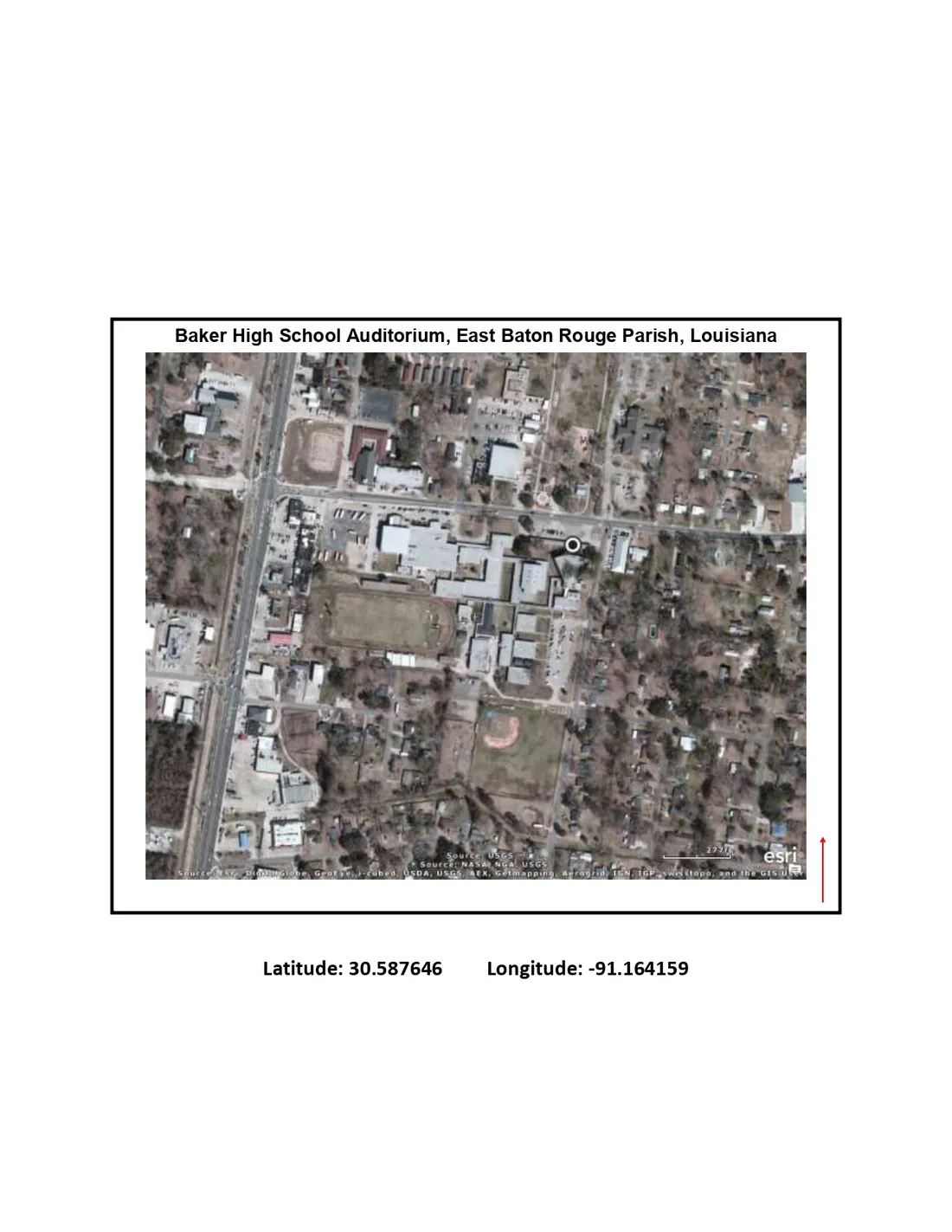 Gutter Drainage Solutions in Baker
 Gutter Drainage Solutions in Greenwell Springs
 Gutter Drainage Solutions in Port Allen
 Gutter Drainage Solutions in Brusly
Coverage, In Full
Gutter Drainage Solutions is also covered in Addis · St. Gabriel · Plaquemine · Denham Springs · Walker · Prairieville · Gonzales - every community in the capital region, on its own page. Prefer to start from your neighborhood? Browse all areas, or jump to a related job: Gutter Services in Greenwell Springs · Gutter Services in Denham Springs · Gutter Services in Port Allen · Gutter Repair in LSU & University Lakes · Gutter Repair in Walker · Gutter Repair in Greenwell Springs.
Solving One Problem, Then the System
No gutter drainage solutions job stands alone for long: the reading that produces it touches the rest of the system too. Owners commonly pair it with gutter services in the same visit, or follow it with gutter repair once the first fault is closed. Our gutter guides explain the whole-system thinking behind that sequencing.
Questions About Gutter Drainage Solutions
What is a pop-up emitter, and does my Baton Rouge lot need one?
A pop-up emitter is the hinged cap at the end of a buried drain line: water pressure lifts it to discharge at a low point of the yard, and it closes afterward against debris and pests. Flat lots whose downspouts cannot reach a slope or swale on the surface are exactly its case. Whether your lot needs buried lines at all is a geography question the visit answers from your ground.
My buried drain line is slow or backing up in Baton Rouge - can it be fixed?
Usually, yes: lines are traced, cleanouts opened, silt and root intrusions cleared, and blind or broken sections rebuilt with a real exit. The first step is finding the line's actual path and exit - many inherited systems were never mapped, and the trace is half the repair.
How far from the house should gutter water be released in Baton Rouge?
At the first point where the ground genuinely takes it away - a slope, a swale, a drainage easement - rather than at a fixed distance. On the flattest lots that point is reached by pipe, not by splash block. The measure is the foundation line staying dry through a storm, not a number of feet.
How much water does a Baton Rouge roof actually shed?
More than intuition suggests: an inch of rain on a thousand square feet of roof is over six hundred gallons, and capital-region storms deliver inches. Multiply by a whole roof and a summer of storms, and the case for designed exits makes itself - the volumes are river-sized, delivered at gutter height.
Where may gutter water legally drain in the Baton Rouge area?
Onto your own lot toward established drainage - street systems, swales and drainage easements - and not directed onto a neighbor's property. Parish drainage rules and subdivision covenants shape the details; the design works within them, which is one more reason the exit is chosen from the lot's real geography rather than from convenience.
What is the difference between gutter drainage and yard drainage?
Gutter drainage is the roof's water: collected at the eaves, delivered at the downspouts, and owed a designed exit. Yard drainage is the ground's water: grading, swales and drains for what falls and flows on the lot itself. They meet at the downspout's base, which is why they are designed together and built as separate systems.
Ready to talk about gutter drainage solutions for your Baton Rouge home?
One call connects you with a gutter professional serving Baton Rouge and the surrounding capital-region communities - installation, repair, cleaning, guards and drainage.
📞 Call Now