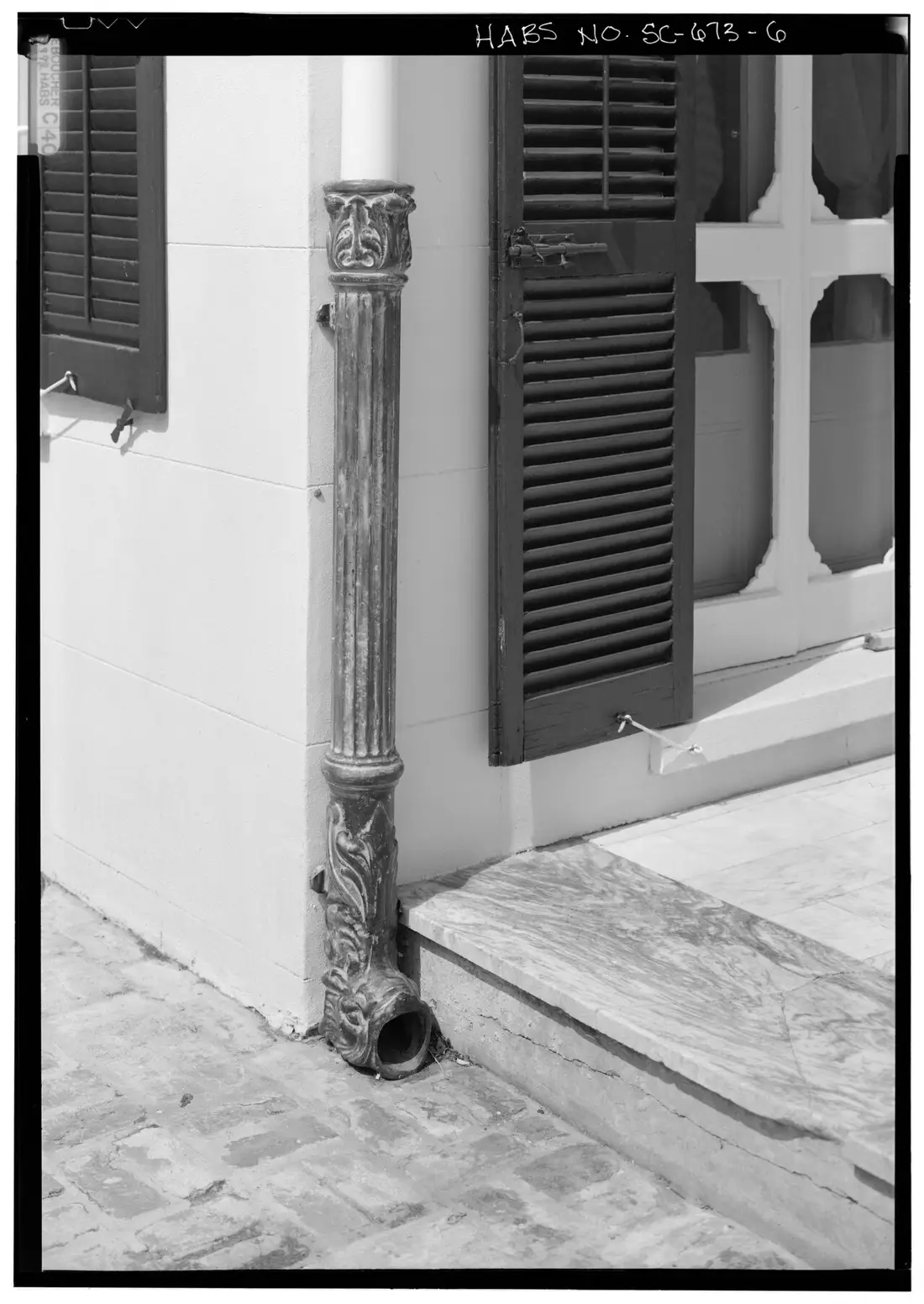
Downspout Installation & Repair in Baton Rouge, LA
Downspout installation and repair in Baton Rouge - drops sized and placed from the drainage map, elbows traced and cleared, discharge landed where flat clay lots can take it.
One call connects you with a gutter professional serving Baton Rouge
Downspout Installation & Repair in Baton Rouge: The Full Picture
Every downspout call in {area} is really three questions: can the drop carry what the roof sends it, is its path clear from outlet to ground, and where does its water go when it arrives? The visit that answers all three fixes downspouts; the visit that only looks at the pipe fixes a symptom.
The flat ground of {area} raises the stakes on the last question. On a sloped lot, a downspout's water leaves on its own; here, gumbo clay and level yards hold whatever lands, so a downspout is only as good as the exit it is given - extension, splash management, or a buried line to somewhere the water can actually go.
Downspouts are the third of the system that does the leaving, and in {area} they are where good gutters go to fail quietly. A run can be clean, pitched and sound while the drop below it is undersized, dammed at an elbow, or pouring its water against the foundation it was meant to protect.
The debris story is just as local. The canopy here is live oak and magnolia over much of the city, pine across the eastern parishes: live oaks that trade their leaves in spring instead of fall, magnolias that shed heavy leathery leaves and cones in every month, pines that rain needles year-round. Add Spanish moss holding shade and damp against the eaves, and a Baton Rouge gutter is never just a water channel - it is a debris channel that also carries water, filling on a schedule set by the trees, not by the homeowner.
A downspout column is a machine for moving a roof in minutes, and its working part is invisible: the clear, full-bore path from outlet to shoe. What narrows that path rarely announces itself - a felted mat of needles at the top elbow, a fold of leaves at the shoe, grit shouldering the seams. The system's most important measurement is therefore a pour, not a look: water in quantity, watched at both ends.
Signs Your System Is Calling for Downspout Installation & Repair
Water spilling from seams partway down the drop
A downspout that leaks at its joints under load is telling you the column inside is backed up - usually at the elbow or the shoe.
A downspout that dribbles while the gutter overflows above it
The trough is full because the exit is closed: outlet dam, elbow plug or a crushed section throttling the whole run.
Elbows parted, crushed or hanging loose
Elbows take debris impacts, lawn-equipment hits and the freeze of standing water rare nights; a parted elbow pours the roof down the wall.
Puddles, trenches and splash damage at the base
The ground is reporting the discharge: water arriving with nowhere to go carves its own exit, usually along the foundation.
One downspout serving a very long or large roof run
Capacity is arithmetic: a single standard drop has a drainage area it can serve, and big capital-region roof planes exceed it in one cloudburst.
Downspout ends buried in mulch or soil
Shoes silted shut by mulch creep and settled soil are the most common quiet failure in the metro - the system looks complete and drains nothing.
Capacity is the downspout's first fact. A three-by-four-inch drop serves a defined roof area at Gulf rain rates; exceed it and the gutter above becomes the overflow device. The drainage map - how much roof reports to each outlet - is therefore a downspout document as much as a gutter one, and undersized drops are among the most common findings on builder-era systems here.
The path is the second fact. Water turns twice through elbows before it falls, and each turn is a debris catch: needles felt at the outlet elbow, leaves fold at the shoe, and a plug anywhere closes the whole column silently. A downspout can look perfect from the street and be a standing pipe of water from elbow to elbow.
Placement is the other half of the craft. A downspout lands where architecture allows, but it must serve where drainage areas demand; the negotiation between those two maps - the pretty wall and the honest arithmetic - is where downspout work earns its name. Done well, nobody notices the drops at all, which is precisely the point: the water simply never becomes a story.
Arrival is the third fact, and Baton Rouge's ground grades it. With flat lots and slow clay, the standard four feet of splash block theater does not move water far enough; extensions that actually reach a slope, a swale or a buried line to a drainage exit are what separate a downspout from a fountain at the foundation line.
The ground finishes the argument. Most of the metro sits on gumbo clay or low bottomland soil over a high water table - ground that absorbs slowly once it is wet, on terrain too flat to hurry water away. The region's humidity keeps whatever gets damp - fascia, soffit, framing - damp for a long time. A gutter system in Baton Rouge is therefore three jobs in one: catch the roof's water, carry it without spilling, and deliver it far enough from the house that clay, flat ground and humidity cannot hand it back to the foundation.
How Downspout Installation & Repair Is Done
Trace every drop from outlet to ground
Each downspout is followed along its whole path - outlet, elbows, seams, shoe - and its drainage area is checked against its size.
Clear or repair the path
Plugs are cleared, parted elbows refitted, crushed sections replaced, and joints resealed where the reading says they will hold.
Add or resize where the arithmetic demands
Where one drop serves too much roof, the plan adds a drop or upsizes - drawn from the drainage map, not guessed at the wall.
Land the discharge on a real exit
Extensions, splash management or buried lines carry the water to ground that can take it, and every drop is flow-proven before the visit ends.
Downspout prevention is the care of a path: keep its ends visible, its body uncrushed, and its exits clear, and the column rewards you by being boring for decades.
Prevention and Upkeep
Keep shoes and extensions visible and clear of mulch creep - walk them twice a year with the cleaning rhythm.
Keep shoes and extensions visible and clear of mulch creep - walk them twice a year with the cleaning rhythm.
After storms, check each downspout base for new washout; the ground reports discharge changes first.
After storms, check each downspout base for new washout; the ground reports discharge changes first.
Keep lawn equipment and stored items off the drops; the crushed elbow is a preventable repair.
Keep lawn equipment and stored items off the drops; the crushed elbow is a preventable repair.
Know your drainage map: which roof planes report to which drop, so an overflow points you at the right column.
Know your drainage map: which roof planes report to which drop, so an overflow points you at the right column.
If you extend a downspout, extend it to somewhere - a slope, a swale, a bed that drains - not just further along the wall.
If you extend a downspout, extend it to somewhere - a slope, a swale, a bed that drains - not just further along the wall.
Photograph each drop's base in a wet season; foundation-side soil movement shows in the comparison.
Photograph each drop's base in a wet season; foundation-side soil movement shows in the comparison.
The DIY Line and the Professional Line
DIY limits
Adding gutter capacity above while leaving the single undersized drop below - the overflow simply moves to the seam lines
DIY limits
Snaking a downspout from the bottom and compacting the plug harder into the elbow
What a professional does
Sizing decisions from the drainage map - added drops placed where the roof's arithmetic puts them
What a professional does
Every drop traced and flow-proven from outlet to ground, not eyeballed from the street
Choosing downspout help, look for the trace: the provider who follows every drop from outlet to ground and flow-proves it, rather than quoting from the street, is doing the work. Ask how added capacity is decided - the drainage-area arithmetic should be shown, not asserted - and where each drop's water will end up on your lot's actual ground.
Fall brings the double load: the heart of hurricane season, when a slow tropical system can rain for days on ground already soaked, and the start of the pine and leaf drop on the metro's east side. It is also the repair window - the weeks when cleaning, resealing and replacing happen in drier weather, before winter's frontal rains. Homes that use the fall window enter winter with empty gutters and sound seams; homes that skip it carry a full debris load into the wettest stretch of the year.

Where Downspout Installation & Repair Is Needed Most
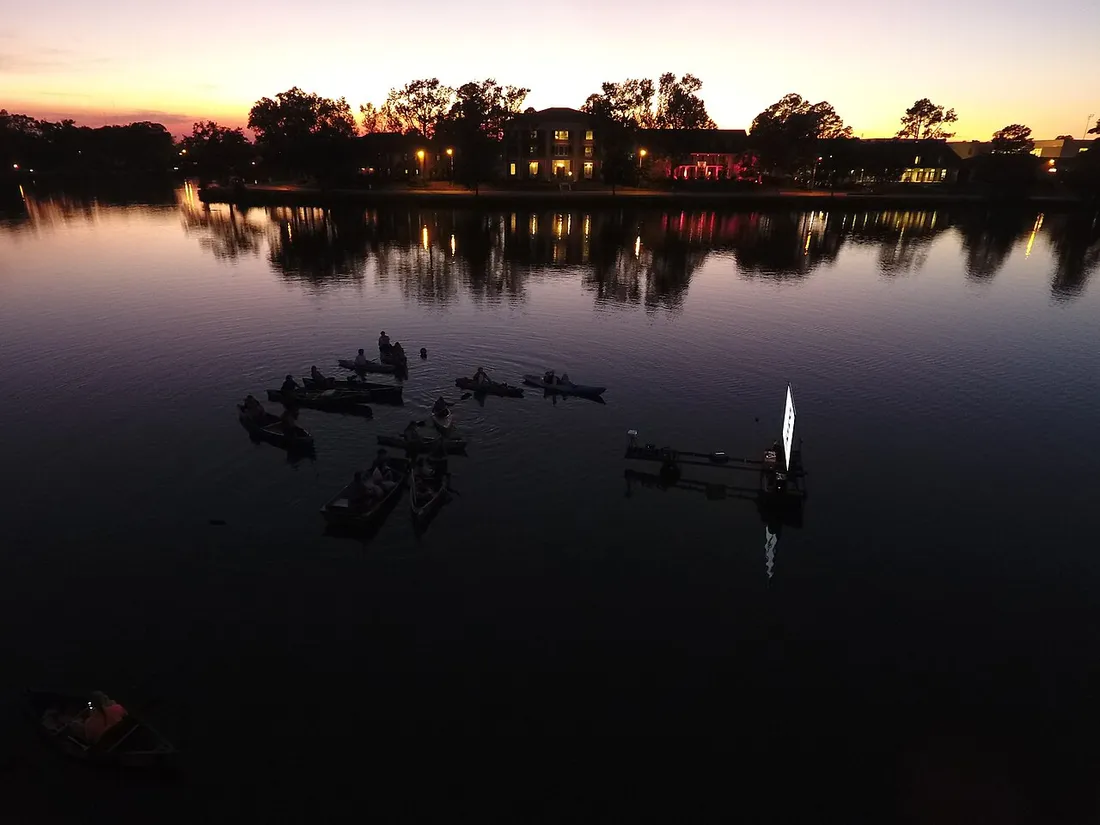
The demand concentrates where the canopy is heaviest and the housing stock oldest: the live-oak streets of the Garden District, Spanish Town and Beauregard Town, the magnolia-shaded blocks of Southdowns and Goodwood, and the two-story rooflines of Sherwood Forest and Shenandoah where access alone rules out ladders from the ground. Scotlandville's bluff-side lots and the Spanish moss along University Lakes add their own local load.
The ring communities carry the same weather over newer stock: Central and Zachary's growth, Old Jefferson and Inniswold's mature subdivisions, and the August-2016 flood country of Greenwell Springs and Denham Springs, where single-story ranch homes put every run within reach of one hard afternoon's debris. The West Bank - Port Allen, Brusly, Addis - reads the river's humidity first.
And the far edge - St. Gabriel, Plaquemine, Walker, Prairieville, Gonzales - brings the rural version of the same story: long eaves, big trees, pole barns and carports, and clay lots where discharged water has nowhere obvious to go. One climate, ten services, twenty-nine neighborhoods of variations on it.
Downspout Installation & Repair in the City Neighborhoods
 Downspout Installation & Repair in Downtown Baton Rouge
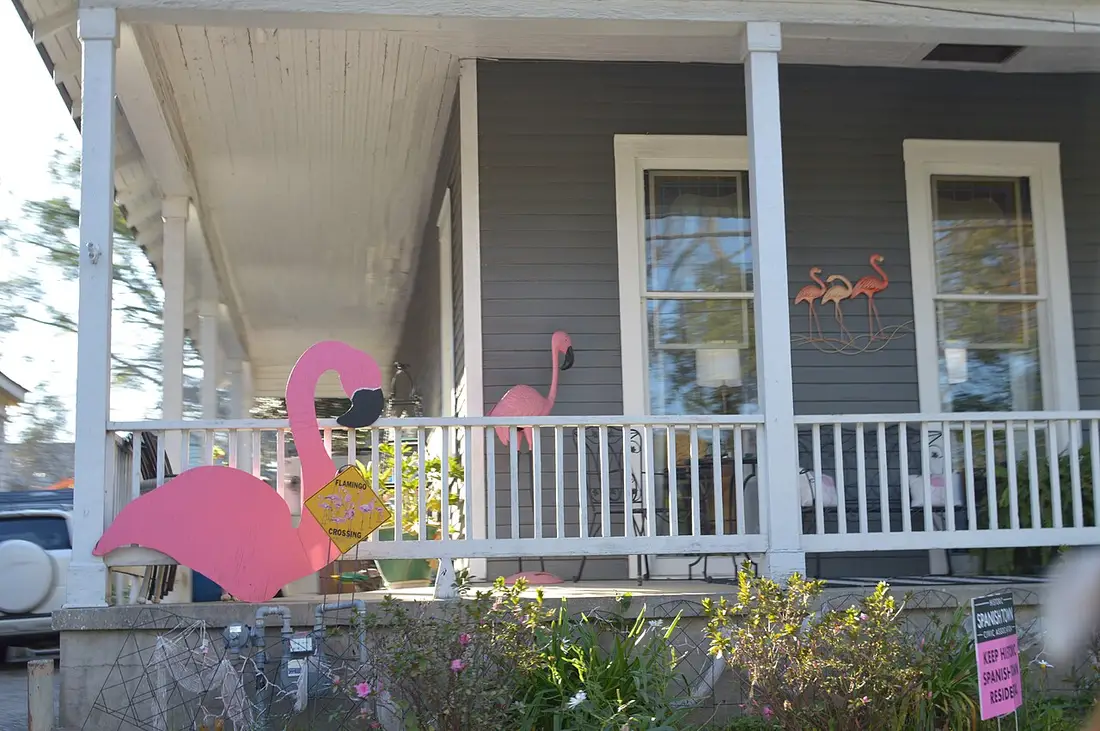 Downspout Installation & Repair in Spanish Town
 Downspout Installation & Repair in Beauregard Town
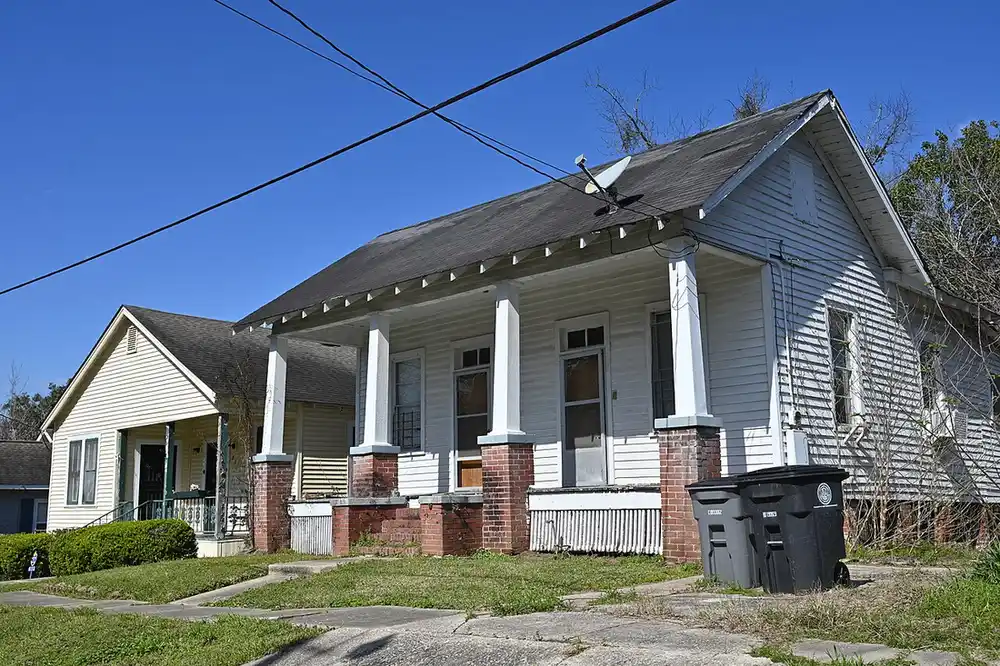 Downspout Installation & Repair in Garden District
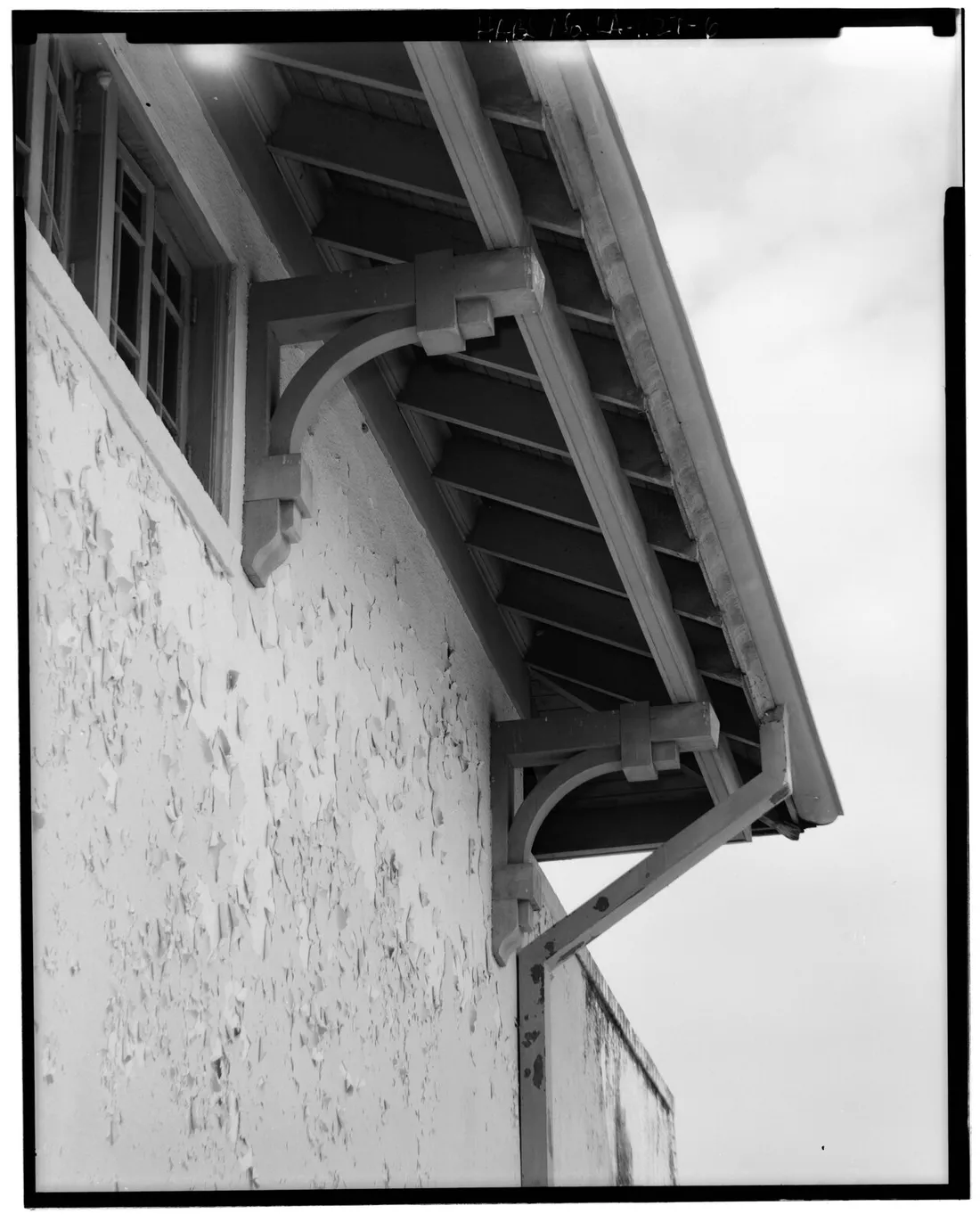 Downspout Installation & Repair in Mid City
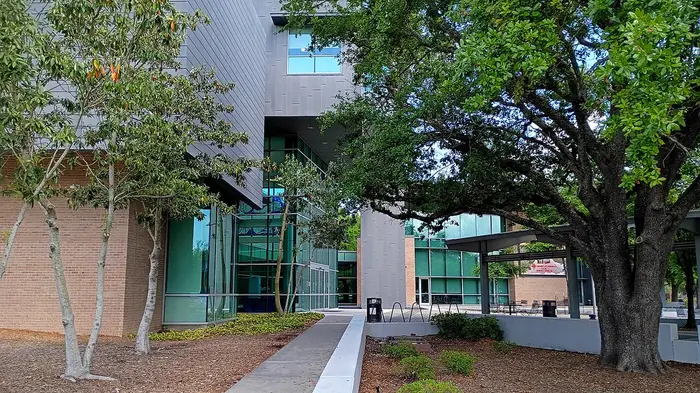 Downspout Installation & Repair in Goodwood
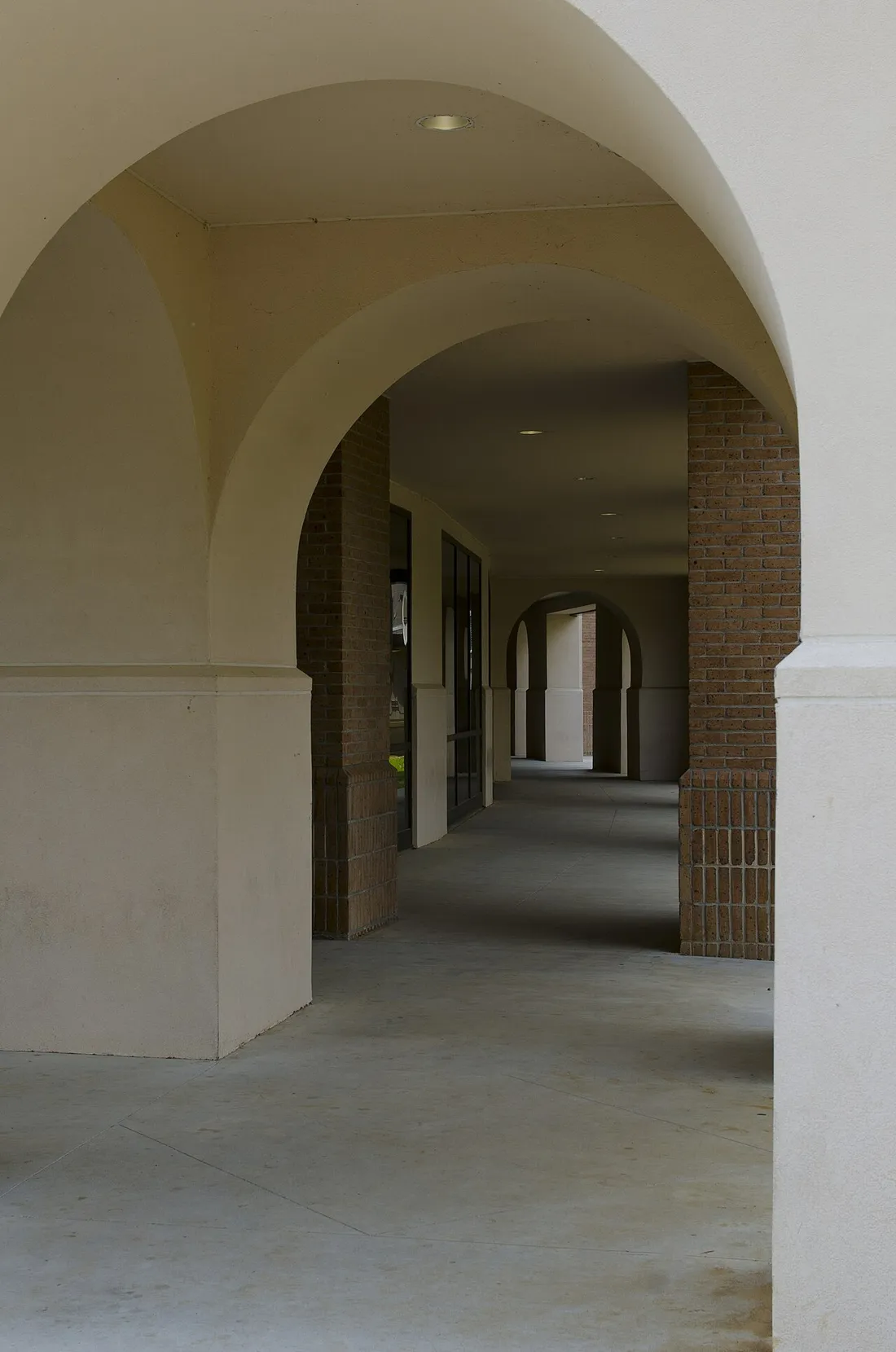 Downspout Installation & Repair in LSU & University Lakes
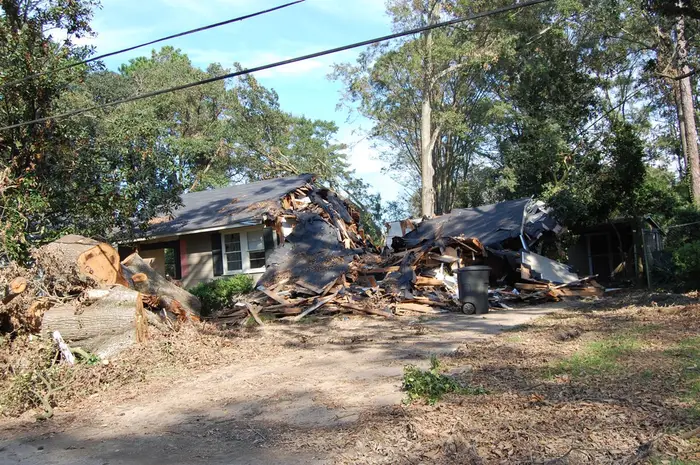 Downspout Installation & Repair in Southdowns
 Downspout Installation & Repair in Scotlandville
 Downspout Installation & Repair in Merrydale
Downspout Installation & Repair in the Surrounding Communities
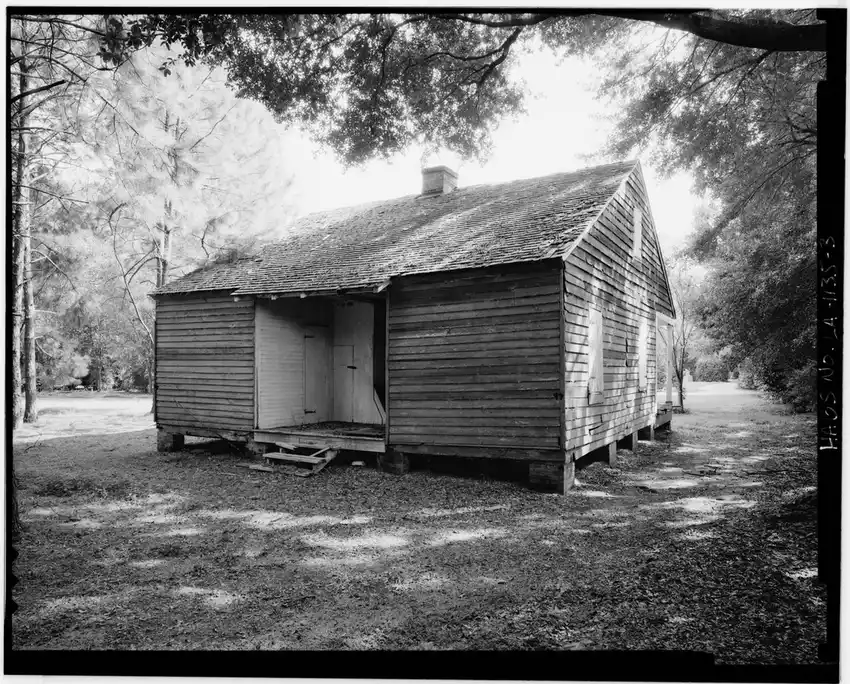 Downspout Installation & Repair in Kenilworth
 Downspout Installation & Repair in Broadmoor
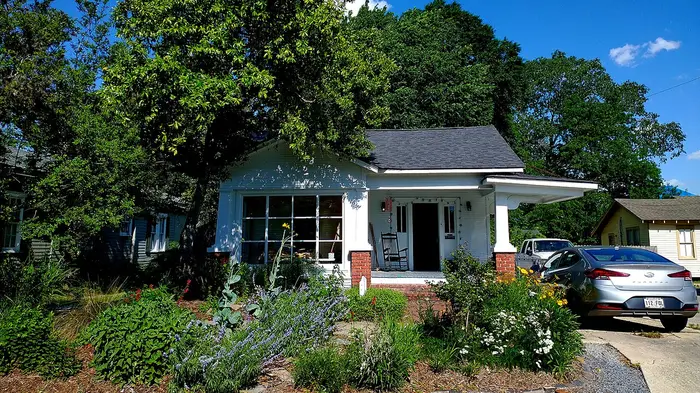 Downspout Installation & Repair in Sherwood Forest
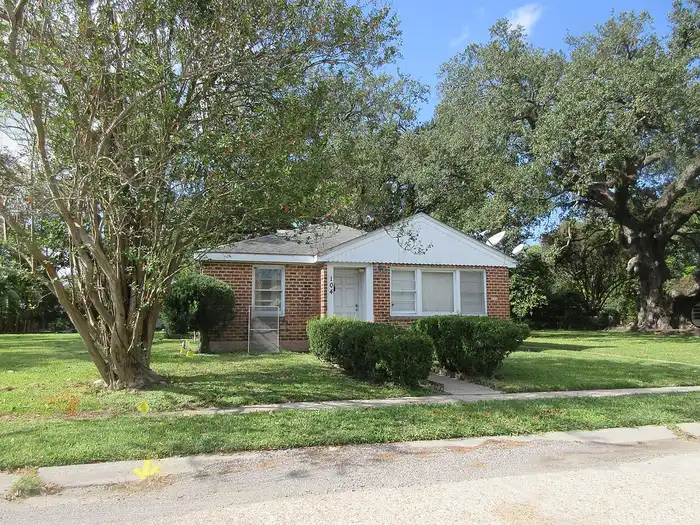 Downspout Installation & Repair in Shenandoah
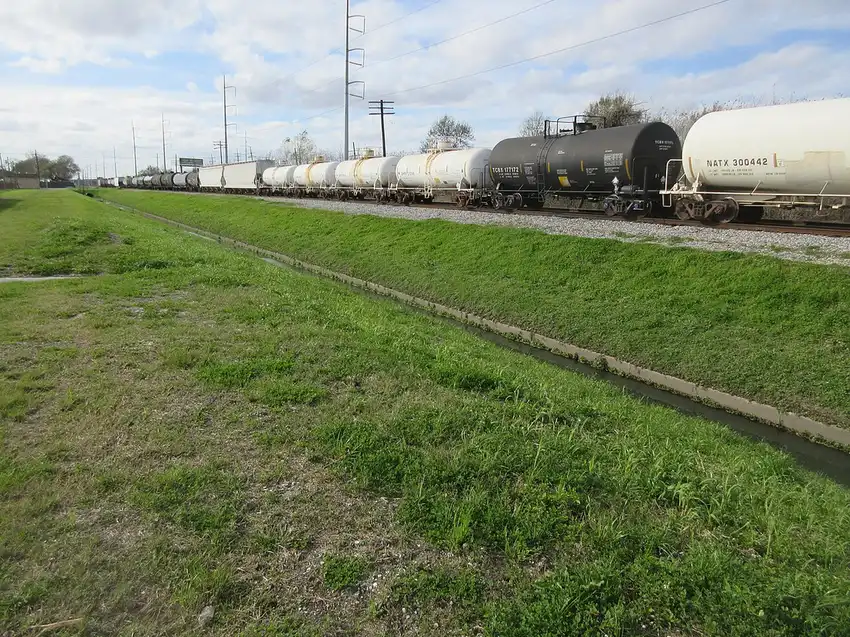 Downspout Installation & Repair in Old Jefferson
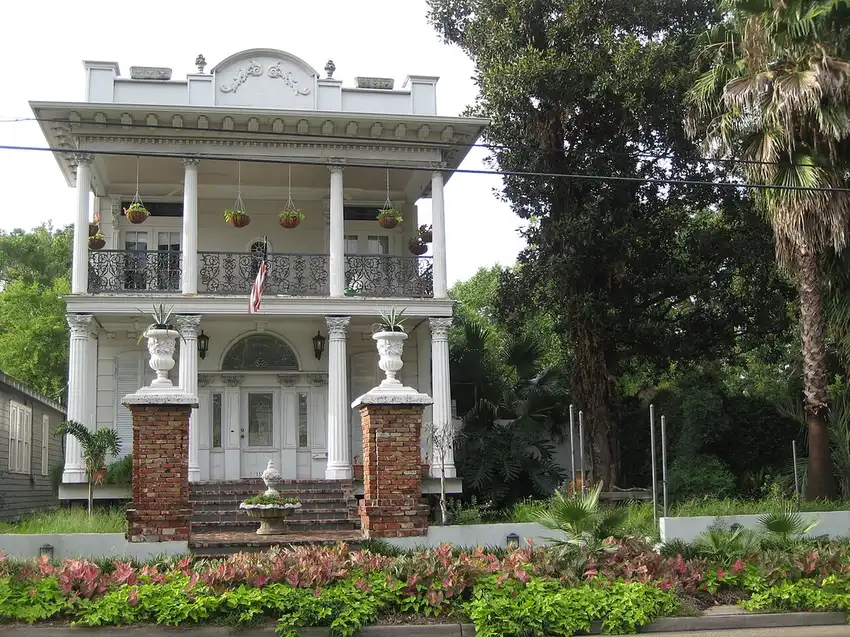 Downspout Installation & Repair in Inniswold & Jefferson Terrace
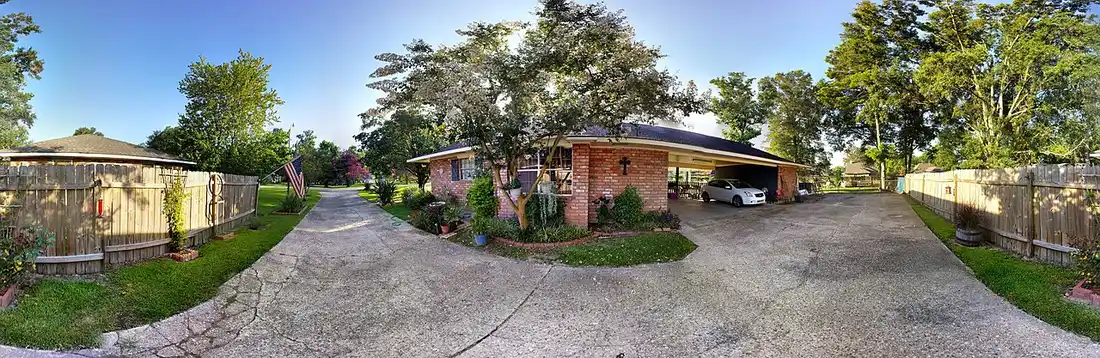 Downspout Installation & Repair in Central
 Downspout Installation & Repair in Zachary
 Downspout Installation & Repair in Baker
 Downspout Installation & Repair in Greenwell Springs
 Downspout Installation & Repair in Port Allen
 Downspout Installation & Repair in Brusly
Coverage, In Full
Downspout Installation & Repair is also covered in Addis · St. Gabriel · Plaquemine · Denham Springs · Walker · Prairieville · Gonzales - every community in the capital region, on its own page. Prefer to start from your neighborhood? Browse all areas, or jump to a related job: Soffit & Fascia Repair in St. Gabriel · Soffit & Fascia Repair in Merrydale · Soffit & Fascia Repair in Spanish Town · Gutter Installation in Gonzales · Gutter Installation in St. Gabriel · Gutter Installation in Sherwood Forest.
Solving One Problem, Then the System
No downspout installation & repair job stands alone for long: the reading that produces it touches the rest of the system too. Owners commonly pair it with soffit & fascia repair in the same visit, or follow it with gutter installation once the first fault is closed. Our gutter guides explain the whole-system thinking behind that sequencing.
Questions About Downspout Installation & Repair
How many downspouts does a home in Baton Rouge need?
As many as its drainage map asks for: each drop serves a defined roof area, so big planes and long runs need more, or larger, drops. The symptom of too few is specific - gutters that overflow in hard rain while clean. The reading does the arithmetic from your roof's measurements rather than from a per-house rule.
Why does my Baton Rouge downspout leak at the joints during rain?
Leaking seams under load mean the column is pressurized by a blockage below the leak - most often a plug at the lower elbow or a silted shoe. Sealant is not the fix; clearing and proving the path is. The trace from outlet to ground finds the plug's address.
Can a crushed or parted downspout in Baton Rouge be repaired?
Yes - sections and elbows are replaceable components, and a parted elbow is among the most straightforward repairs in the trade. The visit pairs the repair with the trace: a crushed section gets replaced, and the reason for any backup above it gets found while the path is open.
Can downspouts be moved or added without replacing the gutters?
Usually. Adding a drop means cutting a new outlet in the existing run and landing a new path to the ground - a defined piece of work on a sound system. It is one of the highest-value repairs for a house whose gutters overflow clean, because it fixes arithmetic rather than symptoms.
Should downspouts drain into buried lines?
Where the lot gives no surface exit, yes - a buried line to a pop-up emitter at a lower point, a swale or a drainage easement is the standard answer, and it must be built with cleanouts and a real exit. A buried line that ends blind in clay is a plug with a waiting period.
What size downspouts pair with six-inch gutters?
Three-by-four-inch downspouts are the working match for six-inch runs, carrying the larger volume those runs collect; two-by-three drops pair with five-inch systems. In Baton Rouge's rain rates the larger pairing is specified often, because the drop - not the trough - is where undersized systems overflow.
Ready to talk about downspout installation & repair for your Baton Rouge home?
One call connects you with a gutter professional serving Baton Rouge and the surrounding capital-region communities - installation, repair, cleaning, guards and drainage.
📞 Call Now